Florida Condo Repair Law
Owning a condominium in Florida offers comfort, convenience, and the shared responsibility of building maintenance. However, when property damage occurs, conflicts often arise over who must pay for repairs. Understanding Florida condo repair law is essential for protecting your financial interests and ensuring that your living space remains safe and well maintained.
In Florida, condominium associations and individual unit owners have different responsibilities. The dividing line between what the association must repair and what the owner must repair often depends on where the damage originated and which parts of the building are considered common elements. Many condo owners are not aware of their rights and may end up paying for repairs that should legally be the responsibility of the condominium association.
What Florida Condo Repair Law Covers
Florida condo repair law is primarily governed by the Florida Condominium Act, found in Chapter 718 of the Florida Statutes. This law outlines how associations must maintain, repair, and replace the common areas of the building. Common elements typically include:
Exterior walls
Roofs
Elevators
Hallways
Shared plumbing lines
Shared electrical systems
Structural foundations
If damage originates from any of these areas and affects your unit, the association may be required to repair not only the source of the damage but also the resulting damage inside your condo.
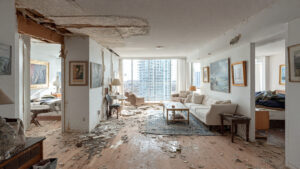
For example, if a roof leak causes water to drip into your living room, the association may be responsible for repairing the roof and addressing the water damage inside the unit. Many owners are surprised to learn that the association may also be responsible for clearing mold caused by delayed repairs.
Owner Responsibilities Under Florida Condo Repair Law
While associations handle shared and structural repairs, owners are usually responsible for the interior components within their unit. This often includes:
Flooring
Paint
Interior walls
Countertops
Cabinets
Appliances
Fixtures
However, this responsibility applies only if the damage did not originate from a common element. If damage is caused by a failure of the association to maintain a common element, the owner should not have to cover the repair costs.
Understanding this distinction is critical. Many associations attempt to shift responsibility onto the owner to avoid expenses. When this happens, knowing your rights can make the difference between paying thousands out of pocket and having the association cover the repair.
When to Consult a Lawyer for Florida Condo Repair Law Issues
If your condo has experienced any of the following, legal guidance may be necessary:
Water leaks entering your unit from other units or shared building systems
Mold caused by prolonged moisture exposure
Flooding from shared plumbing lines
Structural cracks in walls, ceilings, or floors
Damage from roof leaks or exterior failures
A lawyer familiar with florida condo repair law can help determine the source of the damage, review your governing documents, communicate with the association, and if needed, file a claim to ensure your rights are upheld.
How to Protect Yourself During a Repair Dispute
If you believe the association is responsible for repairs, take the following steps:
Document all visible damage with photos and videos.
Request repair responsibility confirmation in writing.
Keep copies of all emails, letters, and repair estimates.
Do not allow the association to verbally deny responsibility.
Request access to the association’s insurance policy if appropriate.
Documentation is your greatest asset. The more evidence you have, the easier it is to prove your case and receive the repairs or compensation you deserve.
Why This Law Exists
Florida has a climate prone to heavy rain, humidity, hurricanes, and saltwater corrosion. Buildings here require consistent upkeep and structural care. Florida condo repair law ensures that associations maintain the integrity of the property to protect the safety and financial well-being of all owners. Without enforcement of these rules, unit owners could face overwhelming repair bills for problems they did not cause.